How to become a psychiatric-mental health nurse practitioner
A psychiatric-mental health nurse practitioner is an APRN in the NP role and the psychiatric-mental health population. The current national exams are lifespan exams. A Louisville Facebook ad that says “prescribe from home in twelve months” will skip that, skip the two-modality rule, and skip the fact that PMH-BC is an RN specialty stamp, not an NP license.
This guide is the door: RN first, graduate PMHNP program, ANCC or AANPCB, then your board. The general method lives on how to choose an NP program. The neonatal door is NCC and the neonate. OCD as a named disorder, not a personality, lives on understanding OCD symptoms. If you do not yet hold the RN, start with how to become a nurse.
How to become a psychiatric-mental health NP
Three professions share a waiting room and do not share a license. A psychiatrist is a physician. A licensed counselor or clinical social worker is a therapist under a different board. A psychiatric-mental health nurse practitioner is an APRN in the nurse-practitioner role and the psychiatric-mental health population. APNA’s public split is the clean one: psychiatric-mental health registered nurses assess, contribute to a plan, and work inside an RN license; psychiatric-mental health APRNs diagnose, treat, prescribe when the state allows, and hold graduate education plus national certification plus a second license. Read APNA on psychiatric-mental health nursing and the APNA advanced-practice FAQ.
You can be a skilled psych RN and still be in the wrong week for an NP ad. You can want “to do therapy” and still need a program that is an NP track, not a counseling degree. If you do not yet hold the RN, stop. Finish an approved program. Sit the exam the board named. Start with how to become a nurse in the U.S..
Role, population, certification, and the board still have to match. That method lives on population, certification, and your board. This page is the psychiatric-mental health row of that method, not a reprint of the six foci.
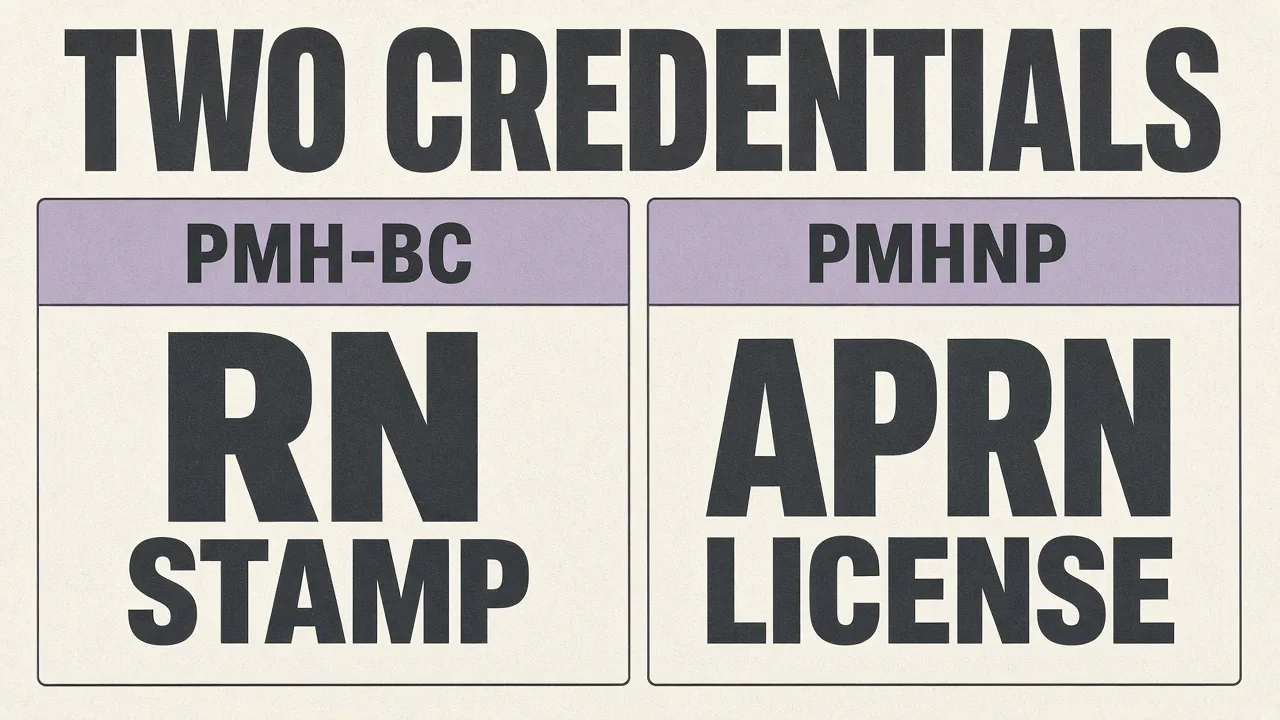
PMH-BC is not PMHNP
ANCC sells both. Psychiatric-Mental Health Nursing Certification is PMH-BC. It is an RN specialty exam. Psychiatric-Mental Health Nurse Practitioner Across the Lifespan is PMHNP-BC. It is an APRN exam. The letters look like cousins. They are not a ladder you climb by collecting CE. A psych unit does not turn PMH-BC into prescriptive authority.
ANCC also used to sell adult-only PMHNP and psychiatric-mental health CNS exams. Those doors are renewal. New sits are the lifespan NP exam. APNA says the same thing in public: there is one certification for PMH-NPs, across the lifespan, and the adult PMH-NP and PMH-CNS exams have been retired for new applicants who still hold them. Confirm the live ANCC PMHNP page and the ANCC credentials chart the week you apply. Do not copy a coworker’s adult-only letters onto a 2026 application.
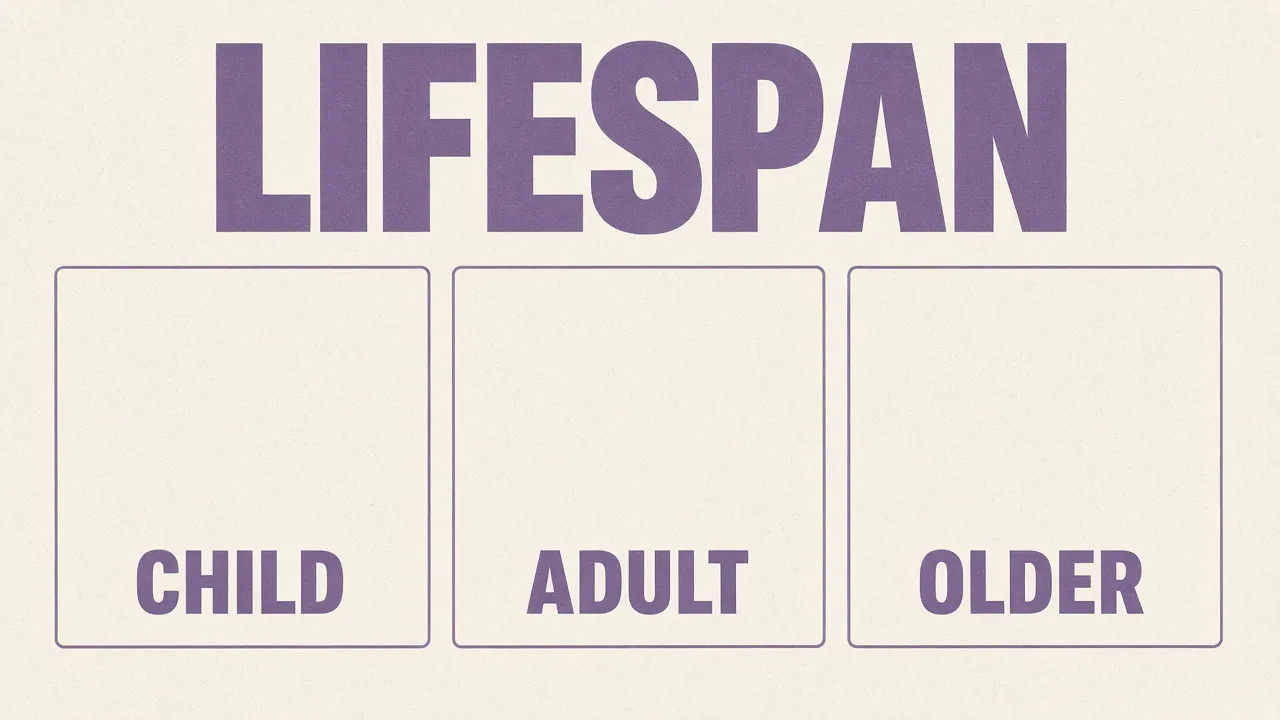
Lifespan, not the retired adult exam
ANCC’s current credential is Psychiatric-Mental Health Nurse Practitioner (Across the Lifespan). The page notes it was formerly called Family Psychiatric–Mental Health Nurse Practitioner. The word family here is not the FNP track. It is age. Child, adult, and older adult sit in the same population focus. AANPCB’s exam is built the same way: psychiatric mental health across the life span. Its public blueprint even splits scored items by developmental group, with adult as the largest slice and infant-through-older-adult still on the card. Age parameters are not a law in the Consensus Model. They live in the exam construction and in your Practice Act. Read AANPCB’s PMHNP exam page.
If you only want to see adults, you still sit a lifespan exam. If you want children, you still sit a lifespan exam. A catalog that hides pediatrics because “you can specialize later at work” is selling a job, not eligibility.
Two exams, one board list
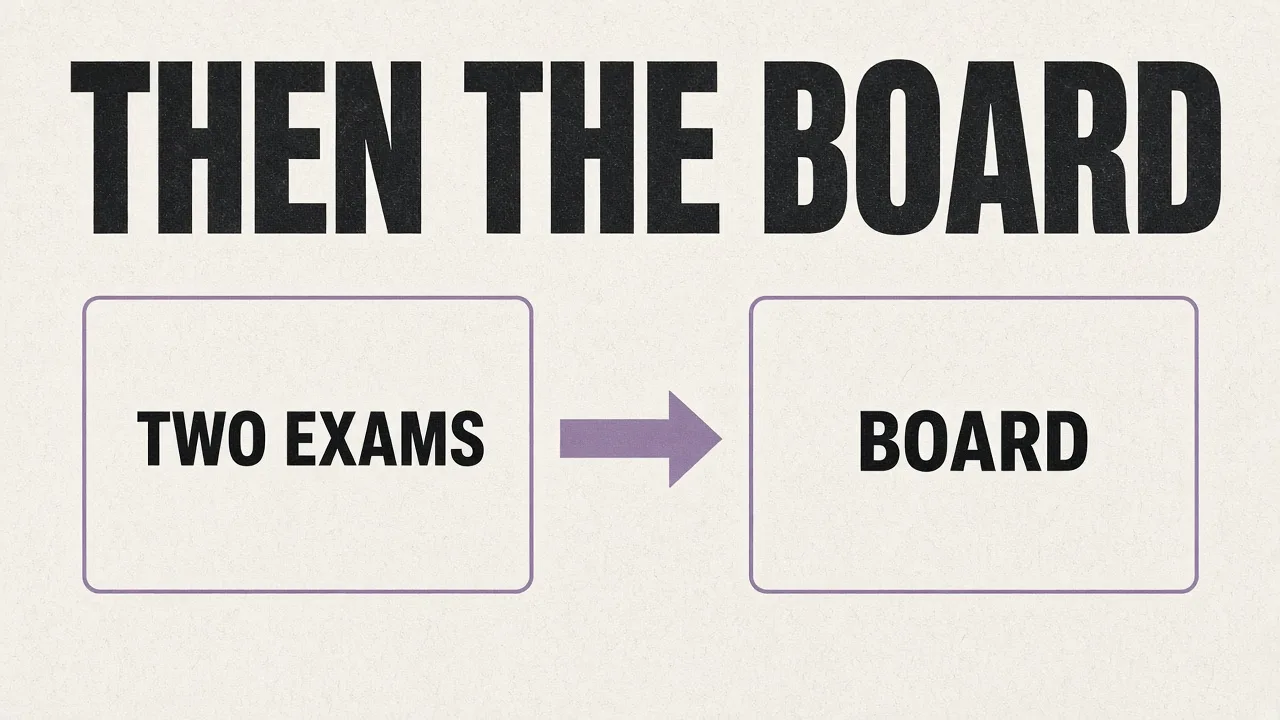
For a long time, ANCC was the psych NP exam people named. That is no longer the whole shelf. AANPCB, which also does business as NPCB, now sells a PMHNP certification examination. NCSBN’s September 2025 table of approved APRN exams lists psychiatric-mental health under both AANPCB and ANCC for the certified nurse practitioner role. Your board’s accepted-exam list is still the law. Open NCSBN’s approved APRN certification exams (PDF), then open Kentucky, or Indiana, or whichever board will actually license you.
The two tests are not the same afternoon. ANCC’s public PMHNP page allows 3.5 hours for 175 questions, 150 scored and 25 pretest. AANPCB’s public page is 150 questions, 135 scored and 15 pretest, in 3 hours. Do not pick a certifier because a classmate liked a question bank. Pick the exam your board names. Then confirm the program’s graduates are eligible for that exam.
APNA’s FAQ still points new PMH-APRNs at ANCC. That page is useful for the RN-versus-APRN split. It is not a veto of AANPCB. The board wins. The certifier page wins. A professional-association FAQ is a map, not a stamp.
Five hundred hours, and two modalities
ANCC’s eligibility is specific. Current RN. A PMHNP-across-the-lifespan master’s, postgraduate certificate, or DNP from a program accredited by CCNE, ACEN, or CNEA. For a postgraduate certificate, only PGC APRN program accreditation counts. At least 500 faculty-supervised clinical hours in that PMHNP program. Three separate graduate core courses: advanced physiology or pathophysiology across the life span, advanced health assessment of all systems, and advanced pharmacology of broad categories of agents. Content in health promotion and in differential diagnosis and disease management, including pharmacologic and nonpharmacologic interventions. And clinical training in at least two psychotherapeutic treatment modalities.
That last line is the one ads skip. Two modalities means the program actually taught and supervised more than “supportive talking.” Ask for the names. Ask where those hours sit. A single elective labeled therapy is not two modalities.
AANPCB’s handbook wants the same three separate graduate cores, a minimum of 500 faculty-supervised direct patient-care hours, and preparation in the nurse practitioner role and the psychiatric-mental health population. Five hundred is a certifier floor. A program may print more. The 750-hour standards conversation belongs on the NP programs page. Do not carry 500 into a catalog that already promised 750 and then shrunk the direct-care line.
ANCC may authorize a sit after coursework and faculty-supervised hours are done, before the degree is conferred, if the rest of eligibility is met. Certification is not issued until the final official transcript arrives. That is a testing window, not a license to practice as an NP on a pending diploma.
Prescribing is a later stamp
National certification is not a DEA number. It is not a state controlled-substance registration. It is not a collaborative agreement, if your state still wants one. The board licenses the APRN role and population. Then the state, and often the federal DEA, handle the script. We will not invent those fees or those wait times. Confirm the board and the DEA the week you care.
Practice authority is local. Full, reduced, and restricted are AANP’s map, not a personality test. We will not count states here. Counts move. The method is on the NP programs page and on AANP’s state practice environment. Open the Kentucky board if Louisville is home. Open the Indiana board if the job is across the river. An RN compact privilege does not become an NP compact privilege. The APRN compact is not a live substitute you can assume.
If the work is remote and the member is in another state, the member still has a state. That problem is the member has a state, and for an APRN it is each board, not one multistate RN license.
An FNP track is not a psych shortcut
Family nurse practitioner is primary care across the lifespan. It is not a psychiatric-mental health population. A family transcript will not sit a PMHNP exam because you “saw a lot of depression in clinic.” A postgraduate PMHNP certificate exists for people who already hold another NP population. That certificate still needs the psych hours, the lifespan population, and the modalities. It is a second program, not a weekend.
CNS is a different APRN role. Some states still license a psychiatric CNS. ANCC’s psych CNS exams are renewal. Do not enroll in a CNS track because an older colleague’s badge says PMHCNS-BC and you want the same Tuesday.
What not to enroll in this month
If the next exam is NCLEX, sit NCLEX. A PMHNP bank will not teach the license exam. If you are still an RN who wants the psych unit first, that is honest. Hours on a psych unit are not PMHNP eligibility. They are a job. If you want the NP door, name the lifespan track, the certifier your board accepts, and who finds the preceptor in your county.
MSN versus DNP is a faculty argument, not a federal ban. Keep that paragraph on the NP programs page. Ask whether this exact track makes you eligible for the exam you will sit. The degree letters are later. Eligibility is first.
Official items stay with the certifier. Unofficial practice will not replace 500 faculty-supervised hours. Sit practice questions in the exam that is actually in front of you. The Nursier editorial team wrote this.

After you name the exam
Write four facts: RN in hand, PMHNP-across-the-lifespan on the transcript, ANCC or AANPCB on the board’s list, and the state that will license the pair. Then close the twelve-month ad. A therapist title is not an NP. A psych unit is not a graduate track. A complete-list tab of “what is a psych NP” is not a Validation of Education form.
We do not take ANCC fees. We do not take AANPCB fees. We do not take board or DEA fees. Those offices keep those payments. We do not place NPs.
Common questions
Is a psychiatric NP the same as a psychiatrist?
No. A psychiatrist is a physician. A PMHNP is an APRN. Both may diagnose and treat mental illness when licensed to do so. The training, the board, and the title are different.
Can I become a PMHNP without being a psych RN first?
You need an RN license and an accredited PMHNP graduate track. Years on a psych unit are not an ANCC or AANPCB eligibility line. They may help you get a preceptor. They do not replace the program.
Do I have to see children if I only want adults?
The current exams are lifespan. Programs that hide pediatric hours are hiding the population on the diploma. Read the catalog’s clinical list, not the “you can specialize at work” sentence.
Which exam should I sit, ANCC or AANPCB?
The one your board accepts for that population, and the one your program’s graduates are eligible to sit. They are different afternoons. They are not a personality test.
Does PMHNP certification let me prescribe?
It is one stamp in a stack. The board licenses the role. The state, and often the DEA, handle the script. Ask the board. Do not ask a Facebook ad.
Can I practice in several states on one PMHNP credential?
The credential is national. The license is state. The RN compact does not carry the NP role. Confirm each board. Do not assume an APRN compact is live.
Sources
Confirm live eligibility pages and your board’s accepted-exam list. Credentials and tables move.
- ANCC, PMHNP-BC across the lifespan
- ANCC, certification credentials chart
- AANPCB, PMHNP certification exam
- NCSBN, approved APRN certification exams (PDF)
- APNA, psychiatric-mental health nursing
- APNA, advanced practice FAQ
- AANP, state practice environment
Nursier is independent. We are not affiliated with, endorsed by, or sponsored by ANCC, AANPCB, APNA, AANP, NCSBN, or any board or program. This article is planning copy. It is not an application, a license, or a job offer.