Which nursing certification fits the unit you already work
Becoming a registered nurse is the legal door. For a lot of nurses the next question is specialization. You like the pace of the emergency department, or you have settled into critical care, pediatrics, oncology, the OR, or a medical-surgical floor that still teaches everyone else. Or you want letters that support a move into education, informatics, or case management. That is what nursing certification is for. It is not a second license. It is a certifier’s exam that says you have knowledge in a defined area of practice.
Requirements change. Organizations add and retire credentials. Always verify eligibility on the certifier’s page the week you apply. This guide is a 2026 map of the common U.S. credentials nurses actually sit, how they differ from the RN license, and how to choose one that matches the patients you can already verify. If you do not yet hold a license, stop. Open how to become a nurse. APRN role certification is a later door: NP programs and NNP and NCC. Nursier does not certify nurses.
What a nursing certification is
A nursing certification is a credential that demonstrates specialized knowledge in a particular area of nursing. Licensure gives you legal authority to practice. Certification validates knowledge in a defined area. An ICU nurse may sit CCRN. An emergency nurse may sit CEN. A pediatric nurse may sit CPN. The Oncology Nursing Certification Corporation describes certification as a way of validating an RN’s qualifications and knowledge in a specific area. That distinction is the whole article.
ANCC’s own catalog is long and still is not every U.S. nursing credential. AACN, BCEN, PNCB, ONCC, CCI, and others sell different families. Use the live catalog the week you apply. Use your unit’s policy for which letters pay.

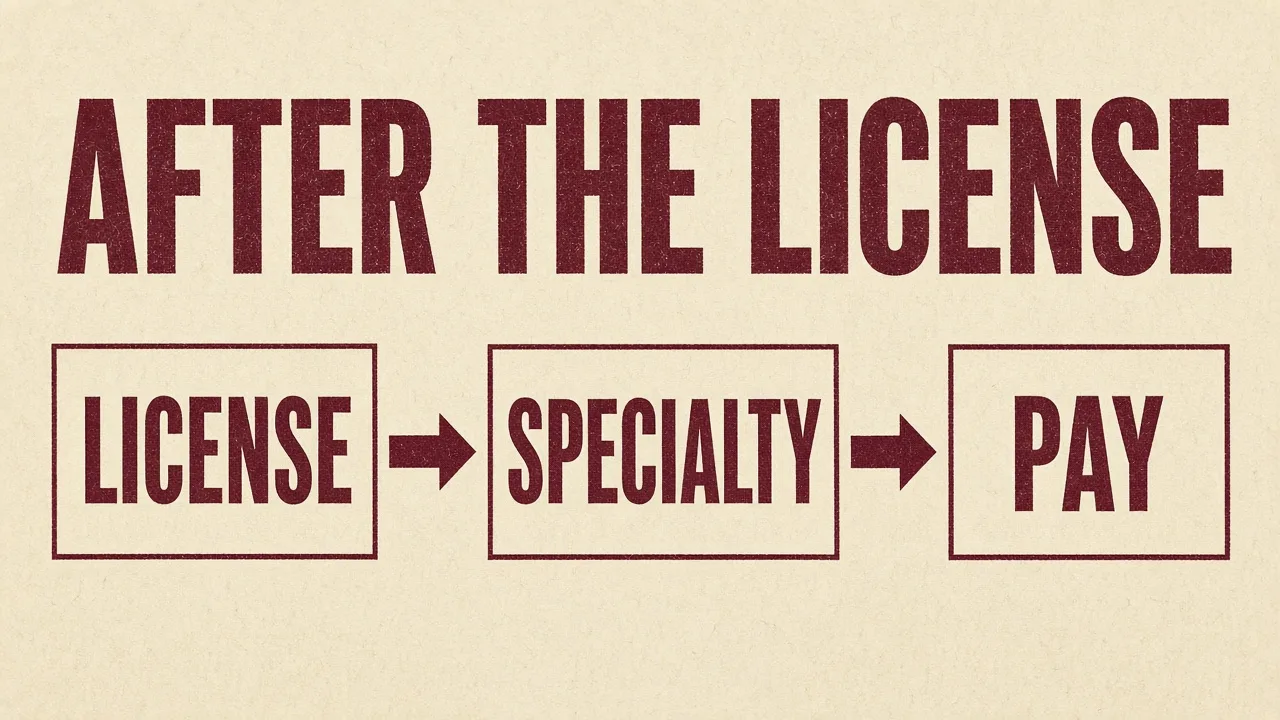
License, specialty, APRN
Licensure is mandatory if you want to practice as a nurse. AACN Certification Corporation’s public definition is the clean split: certification is a process by which a nongovernmental agency validates, against predetermined standards, a nurse’s qualification and knowledge for practice in a defined functional or clinical area. It is not the same act as a board license. Read AACN’s value of certification.
ANCC says the same idea in testing language. Certification can be used for entry into practice, validation of competence, recognition of excellence, or regulation. It can be mandatory or voluntary. For most staff-nurse specialty exams, it is voluntary. For many APRN roles, a named national certification is how the board licenses the role. Those are different doors. If you want the APRN door, stop here and open population, certification, and your board. This page is the voluntary specialty door after an RN or LPN license.
AACN is also blunt about a brand people misread. CCRN is a registered service mark. It does not expand to “Critical Care Registered Nurse.” AACN cannot guarantee that a certificant is an RN. That question belongs to the board. The exam still requires a current unencumbered RN or APRN license when you apply and when you renew. Read the CCRN FAQ.
If you do not yet hold the license, you are in the wrong week. Finish an approved program. Sit the exam the board named.
Common certifications by specialty
There is no single organization that issues every nursing certification. Match the certifier to the patients you can verify. Confirm hours and renewal on that certifier’s page. We will not invent fees or a national differential.
Critical care and progressive care
- CCRN (adult, pediatric, or neonatal) — AACN. Direct care of acutely or critically ill patients. Hour paths are public on AACN’s CCRN Adult page. CCRN is a service mark. It does not expand to “Critical Care Registered Nurse.”
- PCCN — AACN. Progressive care for acutely ill adults who are not in a traditional ICU.
- CMC and CSC — AACN cardiac medicine and cardiac surgery credentials for nurses already holding a qualifying specialty certification.
Emergency, transport, and trauma
- CEN — Board of Certification for Emergency Nursing. Emergency nursing practice.
- CPEN — Pediatric emergency nursing.
- CFRN and CTRN — Flight and ground transport.
- TCRN — Trauma nursing.
Read BCEN’s current catalog before you pick one. A love of speed is not eligibility. Open BCEN’s CEN page if emergency is the unit.
Medical-surgical and ANCC RN specialties
- MEDSURG-BC — ANCC medical-surgical nursing.
- ANCC also offers ambulatory care, cardiac-vascular, gerontological, informatics, nursing case management, pain management, pediatric (PED-BC), psychiatric-mental health, and nursing professional development, among others. Start at the ANCC catalog.
Pediatrics
- CPN — Pediatric Nursing Certification Board, for RNs with pediatric experience.
- PED-BC — ANCC’s pediatric RN credential. Two certifiers, two handbooks. Compare eligibility before you pay.
Oncology
- OCN — Oncology Nursing Certification Corporation, adult oncology.
- CPHON — Pediatric hematology-oncology.
- CBCN — Breast care nursing.
Confirm the live list at ONCC.
Perioperative
- CNOR — Competency and Credentialing Institute, perioperative nursing. Hours in the OR come first. A weekend course is not eligibility.
How to choose one
Name the unit. Name a supervisor who can verify hours. Open that certifier only. If HR pays a differential, get the written list. If Magnet reporting matters, check whether the credential sits on Magnet’s accepted certifications page. Aesthetic work is not a specialty cert in this table; that career path is the board, not a weekend course. Leaving the bedside is the posting is the filter.
Who actually reads the letters
Three readers matter, and they are not the same person.
- Your board, when the credential is required to license an APRN role or when a Nurse Practice Act names a specialty title.
- Your employer, when a differential, a job posting, or a clinical ladder names a credential.
- A Magnet or similar program, when a hospital reports a percentage of certified nurses.
A flyer that says “get certified” without naming which letters, which certifier, and which of those three readers is an ad. Ask HR for the written list that pays. Ask the unit educator which exam matches the patients you actually see. Do not sit an oncology exam because a friend liked the review course if you work nights on a medical floor.
We will not invent a national differential. Hospitals print their own dollars, or they print none. The letters can still be worth sitting if they match the work. They are not a raise until a policy says so.

What Magnet will count
The ANCC Magnet Recognition Program does not count every weekend certificate. For a professional certification to be included in Magnet’s Demographic Data Collection Tool, it must be accredited by one of four bodies Magnet names: the National Commission for Certifying Agencies, ANSI National Accreditation Board under ISO/IEC 17024, the Accreditation Board for Specialty Nursing Certification, or the International Certification Accreditation Council. Read ANCC Magnet’s accepted certifications page.
ABSNC keeps a public table of accredited programs. AACN’s CCRN adult, pediatric, and neonatal exams sit on it. So do other AACN acute-care credentials. ANCC’s RN specialty credentials and several APRN exams sit on it too. Accreditation expires. The table moves. Use ABSNC’s accredited programs the week you care, not a screenshot from orientation.
A hospital can still value a credential Magnet will not count. That is a local policy. Do not treat Magnet’s list as a personality test. Treat it as one reader’s stamp rule.

Hours first, then the exam
CCRN (Adult) is the example we will keep, because AACN prints the hours in public. You need a current unencumbered U.S. RN or APRN license. Unencumbered means the license is not under formal discipline and has no conditions that limit practice. Then you need one of two hour paths. The two-year option is 1,750 hours of direct care of acutely or critically ill adults in the previous two years, with 875 of those hours in the most recent year. The five-year option is 2,000 hours across five years, with 144 in the most recent year. Hours must be verifiable. Final eligibility is about patient acuity, not the name on the door. An emergency department can count if the patients are acutely or critically ill. A unit named ICU can fail if the work is not. Read AACN’s CCRN Adult page.
That is one certifier’s rule for one exam. ANCC medical-surgical, pediatric, and informatics exams have their own hour and education rules. Do not carry 1,750 into an ANCC application. Open the handbook for the exact credential. AACN also offers other pathways for the CCRN brand, including tele-critical care and a knowledge-professional path. Those are not the same hour pile. Read the pathway you will actually claim.
If you cannot name a supervisor who will verify the hours, you are not eligible. Buying a review course does not fix that.
How the letters sit after your name
ANCC’s credentials chart is useful for one sentence people get wrong. The accepted order is highest degree, then licensure, then certification, then honorary recognitions. You cannot use an ANCC credential if it has expired or if you never passed the exam. ANCC investigates unauthorized use. Start at the ANCC credentials chart and the live ANCC certifications catalog.
ANCC’s general testing handbook is the other public number we will keep: many ANCC exams use 125 to 150 scored items plus 25 pilot items, and a passing scale score of 350 on a 500-point scale. Confirm the outline for the exam you will sit. Tables move. Read the ANCC testing and renewal overview (PDF).
“Board certified” is a phrase borrowed from medicine. AACN’s FAQ says only a few nursing certifiers use it, and it does not mean a higher level of certification. An accredited specialty credential is still a specialty credential. Do not pay extra because a brochure added the word board.

Renewal is a second job
Specialty certification expires. Renewal is continuing education, practice hours, or another exam, depending on the certifier. ANCC and AACN both publish renewal rules that are not the initial-exam rules. A credential you do not renew is a credential you may not write after your name. Put the expiration on the same card as the license renewal. Two clocks. Two fees. Two readers who will notice if one lapses.
We will not invent those fees. They move by exam and by member discount. Confirm the current certifier page.
What not to sit this month
If the next exam is NCLEX, sit NCLEX. A CCRN question bank will not teach the license exam, and it will steal the week. If the next exam is TEAS or HESI, you do not have a specialty yet. If you are still an aide, the registry exam is the exam. Keep the lanes.
If you already hold the license and the hours, name one credential. Stay in that handbook until the misses drop. Official items stay with the certifier. Unofficial practice will not replace eligibility hours. Sit practice questions in the exam that is actually in front of you. The Nursier editorial team wrote this.
After you name the unit
Write four facts: the license, the patient population you can verify, the exact credential and certifier, and which reader will care. Then close the other flyers. A complete-list tab is not a clinical hour.
We do not take ANCC fees. We do not take AACN fees. We do not take hospital application fees. Those offices keep those payments.
Common questions
Is certification required to work as an RN?
The license is required. Most specialty certifications are voluntary. A job posting can still name one. Read the posting and the board, not a flyer.
Does CCRN mean I am a critical care registered nurse?
No. CCRN is a brand. AACN says so. The RN question belongs to your board. The exam still requires an unencumbered RN or APRN license.
Which certification pays the most?
The one your hospital’s policy names, if it names any. There is no honest national differential table. Ask HR for the written list.
Can I sit a specialty exam as a student?
Almost never for the staff-nurse exams that want verified hours. Students sit the license exam first. APRN certification is a different, later door after graduate eligibility.
Is “board certified” better?
In nursing it usually means an accredited certifier issued the credential. It is not a higher legal class. Check accreditation and the reader who will count it.
Do I need a BSN to get certified?
Some exams want a degree. Some want hours and a license. Read the handbook for that credential. Do not carry one exam’s rule onto another.
Sources
Confirm live catalogs. Credentials and hour rules move.
- AACN, the value of certification
- AACN, CCRN Adult
- AACN, CCRN FAQ
- ANCC, certifications catalog
- ANCC, certification credentials chart
- ANCC, testing and renewal overview (PDF)
- ANCC Magnet, accepted certifications
- ABSNC, accredited programs
Nursier is independent. We are not affiliated with, endorsed by, or sponsored by ANCC, AACN, ABSNC, ANA, NCSBN, or any certifier or hospital. This article is planning copy. It is not a complete list of credentials, and it is not an application.