How long nursing school takes, once you name the license
How long nursing school takes depends on the license, the science you still owe, and the hours you already work. A nurse aide course, a practical program, an associate RN, and a bachelor RN are four calendars. Search results that say 12 months, two years, four years, and “as little as 16 months” in one scroll have not named a door. A Grand Rapids HR form cannot either.
This guide is time by door, year-zero science, what a job does to a catalog year, and how to ask a program for a real calendar. If you have not named the door, start with how to become a nurse. ADN waitlists live on points and the same NCLEX. Opportunity cost under the brochure lives on hidden clocks.
Nursier does not run a program. We do not print diplomas. We write so you can add the months the catalog skipped.
How long nursing school takes by license
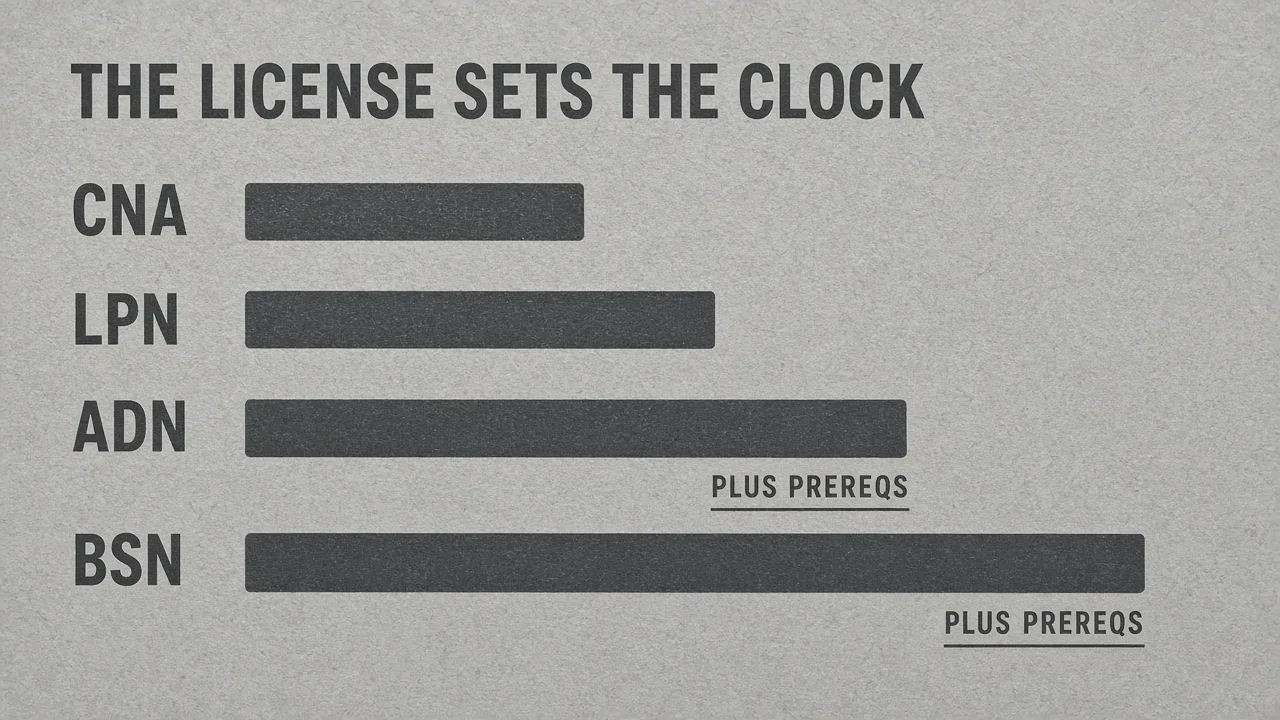
Search results love a single integer. Nursing school is not one product. A person asking “how long” may mean a six-week aide course, a practical program BLS calls “about one year,” an associate track after a year of anatomy, or a four-year BSN. Averaging those into “about two years” is how people quit a job six months too soon, or six months too late.
BLS is useful because it refuses to romanticize. It also refuses to be your PDF. When BLS says “typically,” that is a labor-market summary. Your board-approved program can be 16 months of evenings. Both can be true for different people. Confirm the live BLS pages and then open the catalog:
Time by the door you actually picked
Use this table as a map, not as a promise. Every cell ends with the same instruction: read the program’s own months, including summer, including the science they assume you already finished.
| Door | What public sources usually say | What they leave off | The exam at the end |
|---|---|---|---|
| Nurse aide | A state-approved course, then a competency exam. Federal floor is 75 clock hours. Some states require more. | Fingerprints, the clinical site’s schedule, a retake if the skills day fails | A state aide exam, not NCLEX |
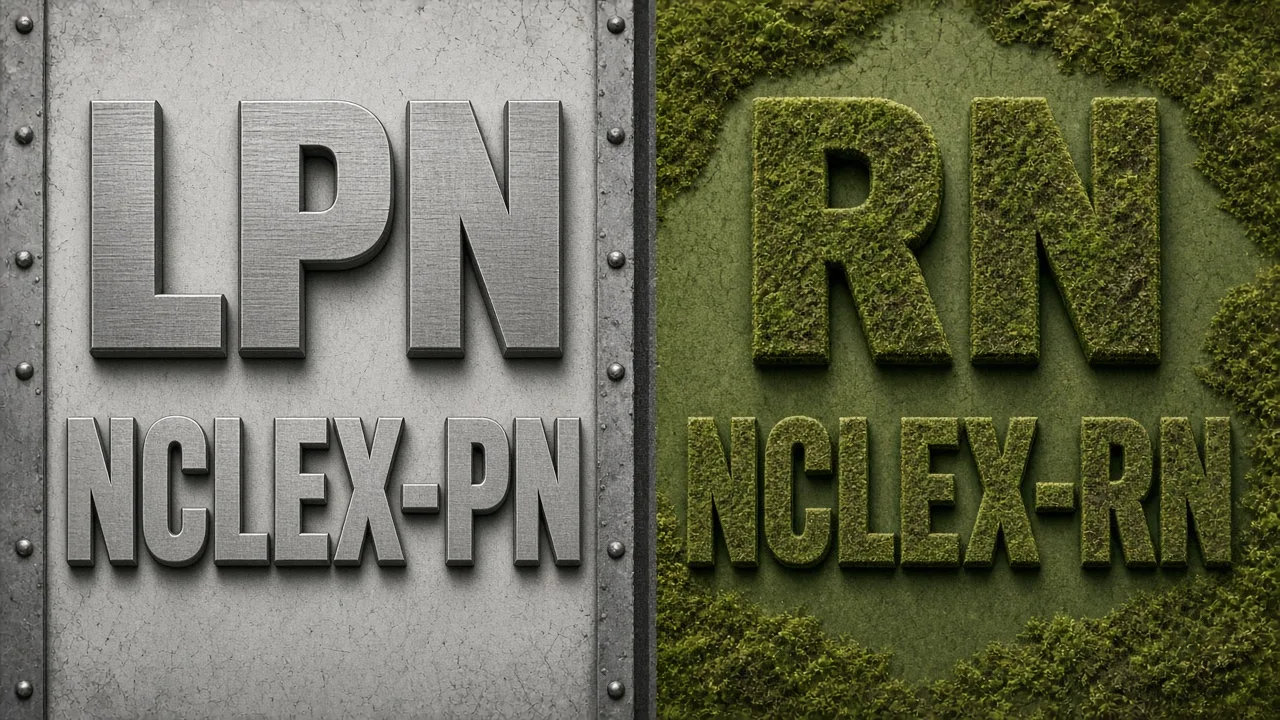
| LPN or LVN | BLS: a state-approved program that typically takes about one year | A waitlist, a TEAS or HESI the college named, evenings that add a term | NCLEX-PN |
| RN, associate | Often described as about two academic years after prerequisites. Minnesota’s board packet uses that shape. | Year zero science, a points waitlist, a job that turns two years into three | NCLEX-RN |
| RN, bachelor | Often described as about four years, or less if you already hold a degree | The same science, plus general education, plus clinical days that ignore your midterm | NCLEX-RN, same exam as the associate graduate |
The Minnesota Board of Nursing’s public choosing-a-program sheet is a clean state voice for those approximate lines: practical nurse about one year, associate about two, bachelor about four, plus accelerated options if you already hold a degree. It is still a pamphlet. It is not your registration date. Read Minnesota’s “What to Look for When Choosing a Nursing Program”.
A nurse aide calendar is a different article because the exam is a different exam. State registry and the aide exam is that page. Do not fold a 160-hour California CNA into an ADN year and call it nursing school.
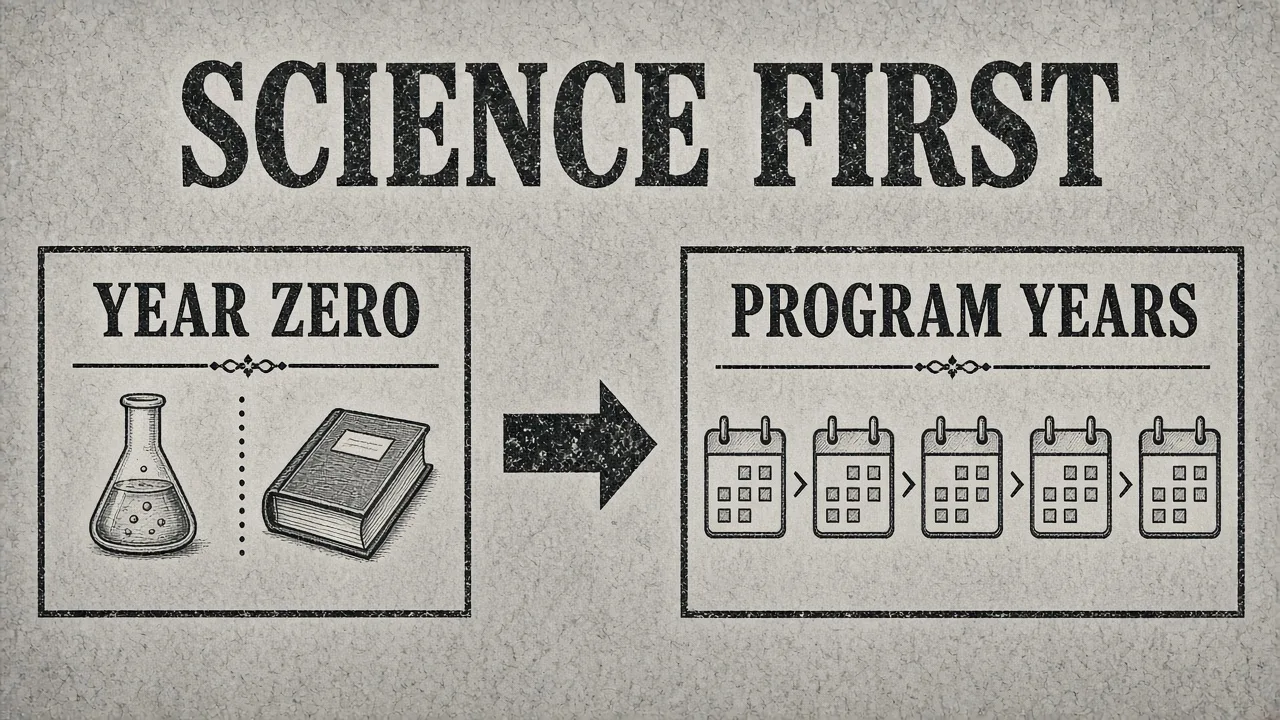
Year zero is usually the science
Ask two questions every time a recruiter says “two years” or “twelve months.”
- Does that number include anatomy, microbiology, and the English the program requires?
- Does that number include the term you will wait after you apply?
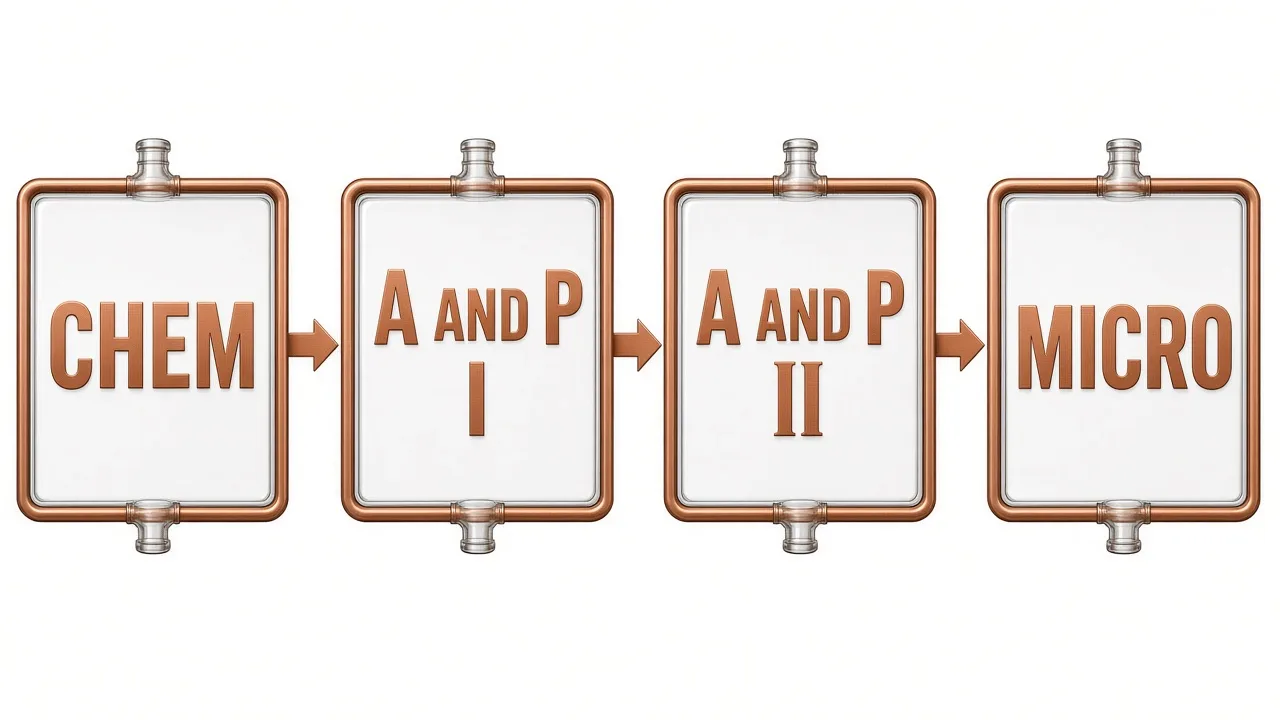
If the answer to either one is no, add the months yourself. Community-college ADN packets are full of people who “only have two years left” and still owe A&P II. Accelerated bachelor packets are full of people who already hold a degree and still owe chemistry with a lab. Texas Tech’s public second-degree page, for one, still lists a stack of prerequisites before its 12-month nursing year starts. The year is short because the science is supposed to be done, not because the board invented a shortcut.
Study the science as if a preceptor will ask you to explain it. Extra practice that matches a chapter belongs with nursing book questions. That is not an entrance exam.
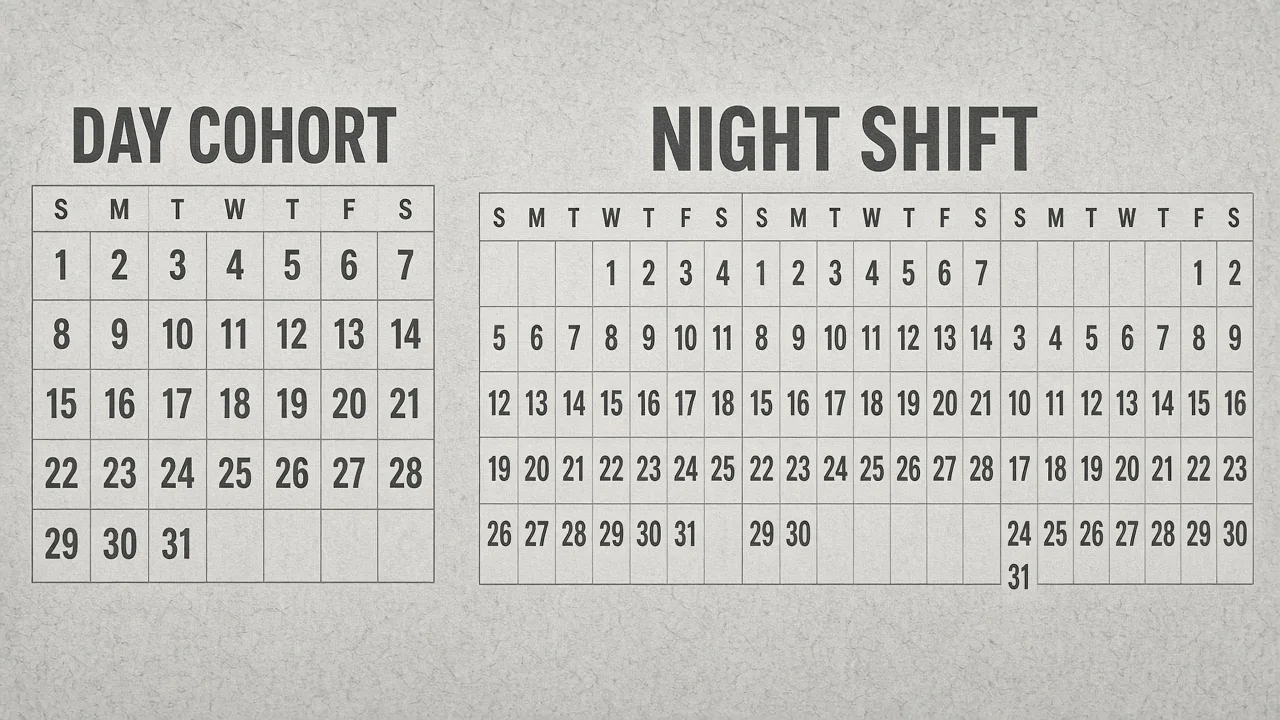
What a job does to a catalog year
Catalogs are written for a student who can attend the published days. Many American nursing students already hold a badge, a second job, or a child who wakes at six. The content can be the same. The calendar is not.
Evening ADN cohorts still send people to 6:30 a.m. clinicals. Hybrid “online” tracks still want Saturday intensives. AACN tells accelerated students they are encouraged not to work, because the sessions have no breaks. That is a warning, not a scold. Read it on AACN’s accelerated programs page.
If you will keep 32 hours, ask these in email:
- What is the median time to finish for students who work 32 hours or more?
- How many terms did last year’s working students actually use?
- Which days are published a year ahead, and which shift on the unit still moves?
Time zones and Saturday labs have their own page if the program is hybrid. Start with time zones, proctors, and weekend intensives before you quit the weekend job.
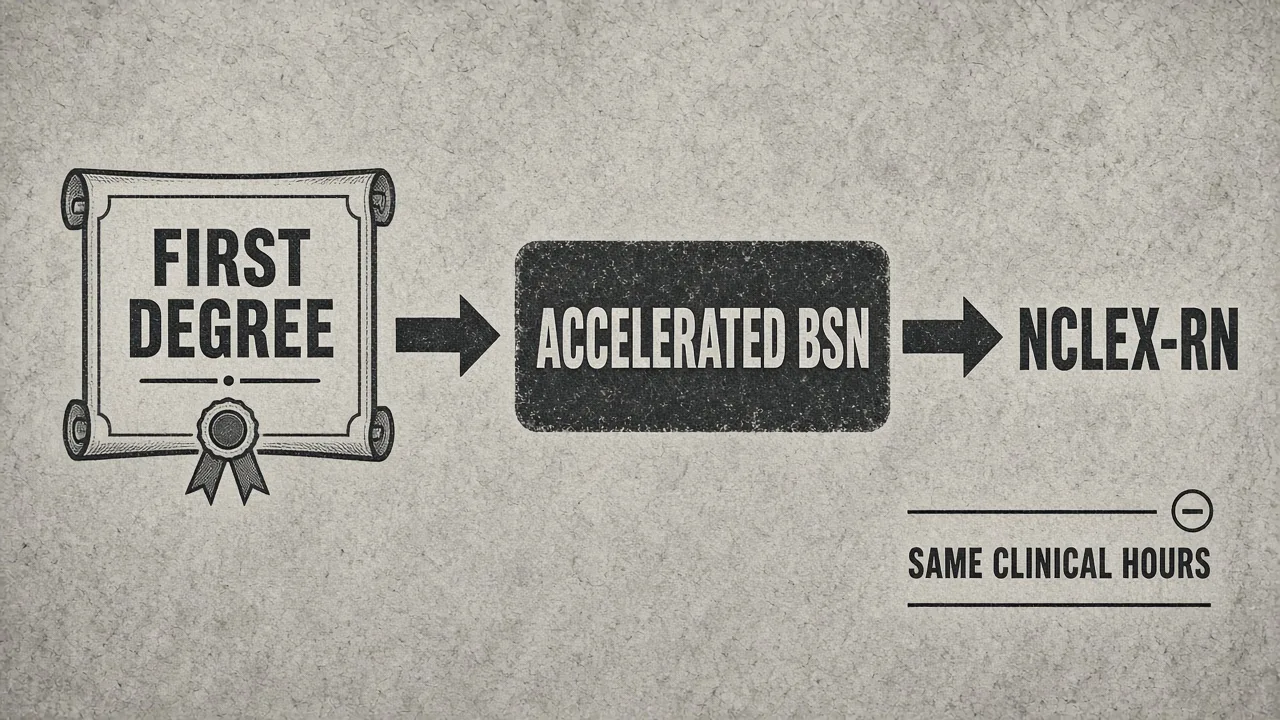
Accelerated is not a shortcut license
AACN’s public pages are the clean national voice here. Accelerated baccalaureate programs are for adults who already completed a bachelor’s or graduate degree in a non-nursing field. Fast-track entry-level BSN programs take between 11 and 18 months on one AACN student page, and between 12 and 18 months including prerequisites on AACN’s fact sheet. Instruction is full-time, with no breaks between sessions. Students receive the same number of clinical hours as traditional entry-level students. In 2025 AACN counted hundreds of these programs. Start at the accelerated programs page and the accelerated degrees fact sheet.
That range still needs your PDF. A 12-month year that assumes 55 prerequisite credits is not 12 months from the day you decide. Count the chemistry you do not have. Count the move. Count the fact that AACN says these students are encouraged not to work.
The license at the end is still RN. The exam is still NCLEX-RN. An accelerated calendar does not print a friendlier adaptive test.
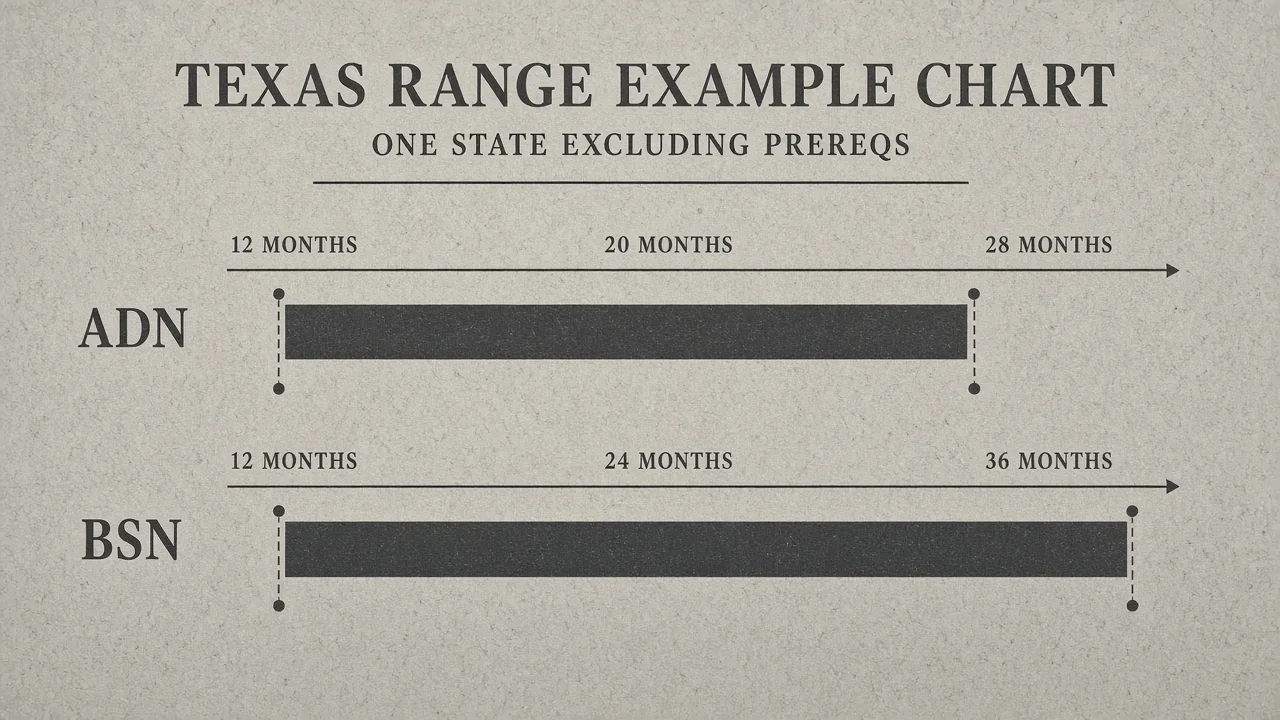
One state that published a range
When people want a number, give them a range that a government office already measured, and then refuse to nationalize it. Texas’s Center for Nursing Workforce Studies asked professional nursing programs for the length of the nursing curriculum in months, excluding prerequisites. In the 2022 report, ADN programs ranged from 12 to 28 months, with a mean of 21.3 and a median of 22. BSN programs ranged from 12 to 36 months, with a mean of 23.9 and a median of 24. LVN-to-ADN sat shorter. Read Texas 2022 professional nursing program characteristics (PDF).
Notice what the table excludes. Prerequisites. Waitlists. A job. A failed science. That is why a Texas median of 22 months can still be a three-year life for a person who starts A&P in January and works nights.
How to ask a program for a real calendar
Call when you are not tired. Ask them to put the months on email.
- How many months is the nursing curriculum, not including prerequisites?
- How many months do most of last year’s graduates actually take, including repeats?
- What is the median among students who work 32 hours or more?
- Which entrance exam do you require, and when is the last score you will take?
- How many campus or clinical days cannot move?
- If I start the science now, what is the earliest cohort I can enter?
If they cannot answer items 1, 3, and 6, you do not have a calendar. You have a slogan. Marketing can say “as little as.” The director owns the median.
After you count the months
Write the door, the months the PDF named, and the months you added for science and work. Then stop collecting slogans. Collecting slogans feels like planning. It is not a lab hour.
If the next task is an entrance score, sit that exam. Prepare for TEAS 7 or HESI A2, whichever the catalog named. If the next task is a license exam, study that exam. Sit practice questions when you are ready to do work that is not shopping. The Nursier editorial team wrote this.
We do not take deposits. We do not take board fees. We do not take NCLEX fees. Your school, your board, and Pearson keep those payments.
Common questions
What is the fastest way to become a nurse?
Name the license. A nurse aide registry can be weeks. An LPN is often near a year after you enter an approved program. An RN is longer. Fastest is the door you can actually finish, not the shortest bar on an ad.
Does a BSN take twice as long as an ADN?
On a brochure, sometimes. In Texas’s 2022 curriculum table, the medians sat near two years of nursing coursework for both, excluding prerequisites. The bachelor still carries more general education. Your two PDFs win.
Can I finish an RN program in 12 months?
Some accelerated bachelor tracks publish 12 months for people who already hold a degree and the science. AACN still puts the national fast-track range in the teens of months and tells those students not to plan on working. Count the prerequisites first.
I am an LPN. How long to RN?
Some colleges run LPN-to-ADN tracks that Texas measured as short as a year of nursing curriculum. Your campus PDF wins. Keep PN exams and RN exams apart. If ATI LPN or HESI LPN is the test in front of you now, study that one.
Does online school take less time?
Online is a delivery method. Clinicals and intensives still sit on a calendar. Some hybrid tracks are longer because the Saturday cannot move. Time is not the same thing as a Zoom icon.
When do I start NCLEX prep?
When the program is actually ending, or when faculty put the cohort in that window. Studying NCLEX in month two of a two-year calendar is how people fail the exam they have this week.
Sources
Confirm live pages. Catalogs move.
- BLS, nursing assistants
- BLS, licensed practical and licensed vocational nurses
- BLS, registered nurses
- Minnesota Board of Nursing, choosing a nursing program (PDF)
- AACN, accelerated nursing programs
- AACN, accelerated baccalaureate and master’s fact sheet
- Texas DSHS, 2022 professional nursing program characteristics (PDF)
- 42 CFR 483.152, nurse aide training hours
- NCLEX fees and payment
Nursier is independent. We are not affiliated with, endorsed by, or sponsored by NCSBN, Pearson VUE, ATI, Elsevier, AACN, BLS, the Minnesota Board of Nursing, or the Texas Department of State Health Services. This article is planning copy. It is not an application. Month ranges belong to the offices that published them, not to a national promise.