How to pick a nurse aide program that gets you on the registry
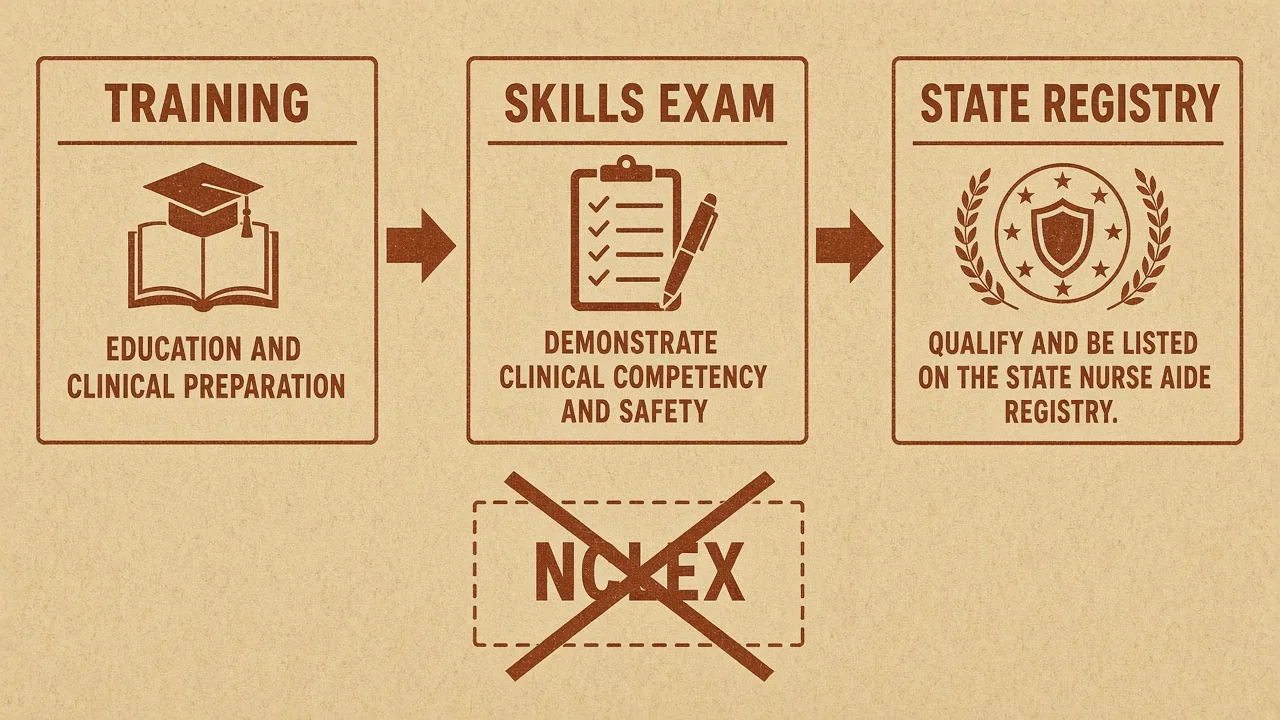
A good CNA, STNA, or nurse aide program is on your state’s approved list, teaches the hours that state named, and ends in the competency exam that state named: a written or oral test plus skills in front of an evaluator. That exam is not NCLEX-RN and not NCLEX-PN. A “top program” flyer in a Toledo parking lot cannot put you on the registry. The approved list can.
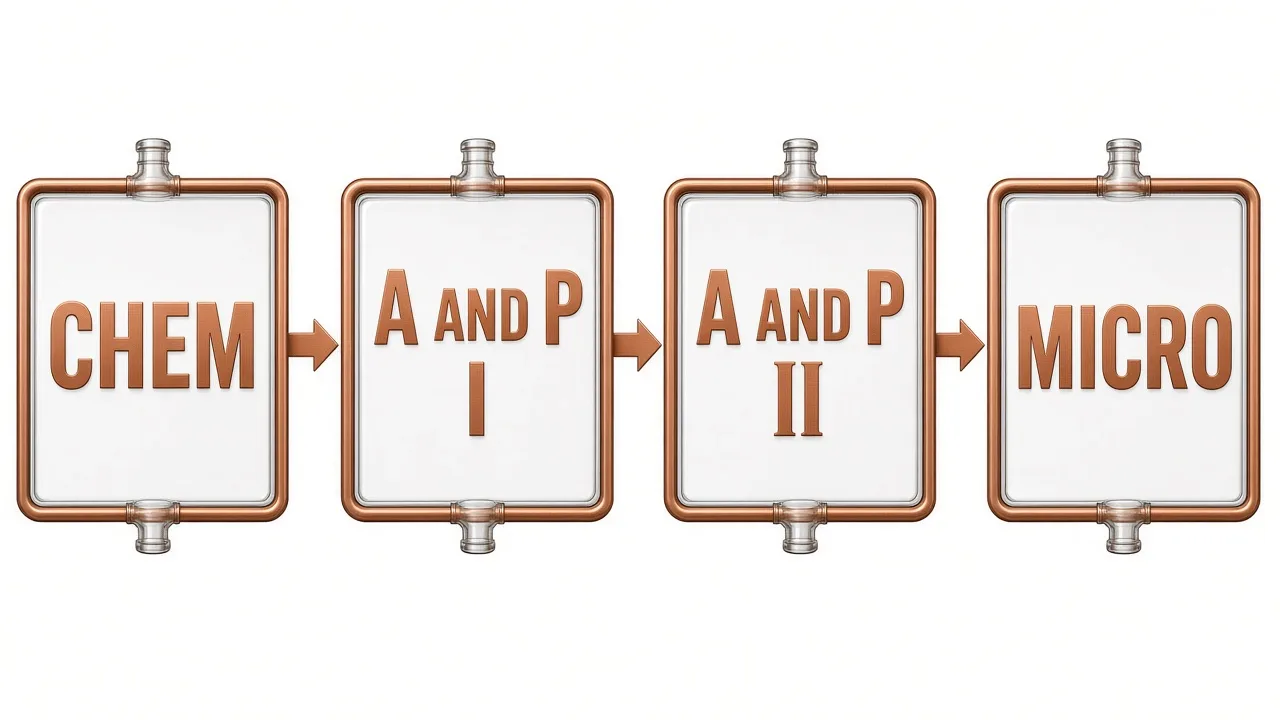
Nursier does not train nurse aides and does not run a registry. After the badge, LPN or RN is a new door: how to become a nurse and LPN versus RN. Prerequisites for those later doors are the science sequence.
How to choose a nurse aide program
We will not publish a national top-ten. Those lists pick schools that paid for a lead, or they average one state’s pass rate with another state’s title. A “best CNA program in America” is a sentence that cannot be true. Approval is a state job. The exam vendor is a state job. The registry is a state job.
If you still have not named the license you actually want, start with how to become a nurse in the U.S.. A nurse aide certificate is a look at the work and a paycheck. It is not an LPN license and it is not an RN license. If the next door is an associate program, the points worksheet lives in the ADN guide.
What a nurse aide program actually is
The Bureau of Labor Statistics keeps nurse aides and orderlies in the same handbook page and then separates the training. Nursing assistants typically complete a state-approved education program with classroom instruction and supervised clinical work, then pass the state’s competency exam, and are placed on a state registry. They must be on that registry to work in a nursing home. Titles vary. Some states say CNA. Some say something else. Read BLS on nursing assistants.
Programs show up in high schools, community colleges, vocational schools, hospitals, and nursing homes. That mix is why a Facebook ad can look like a college and still be a facility course, or look like a facility and still be a storefront that is not on the state’s list. The list wins. The ad does not.
Federal rules sit under the Nursing Home Reform Act, passed as part of OBRA 1987. Congress told states to train and test aides who work in nursing homes that take Medicare or Medicaid. The live rules are in 42 CFR Part 483, Subpart D. They are not a vibe. They are a floor.
The federal floor, and states that sit above it
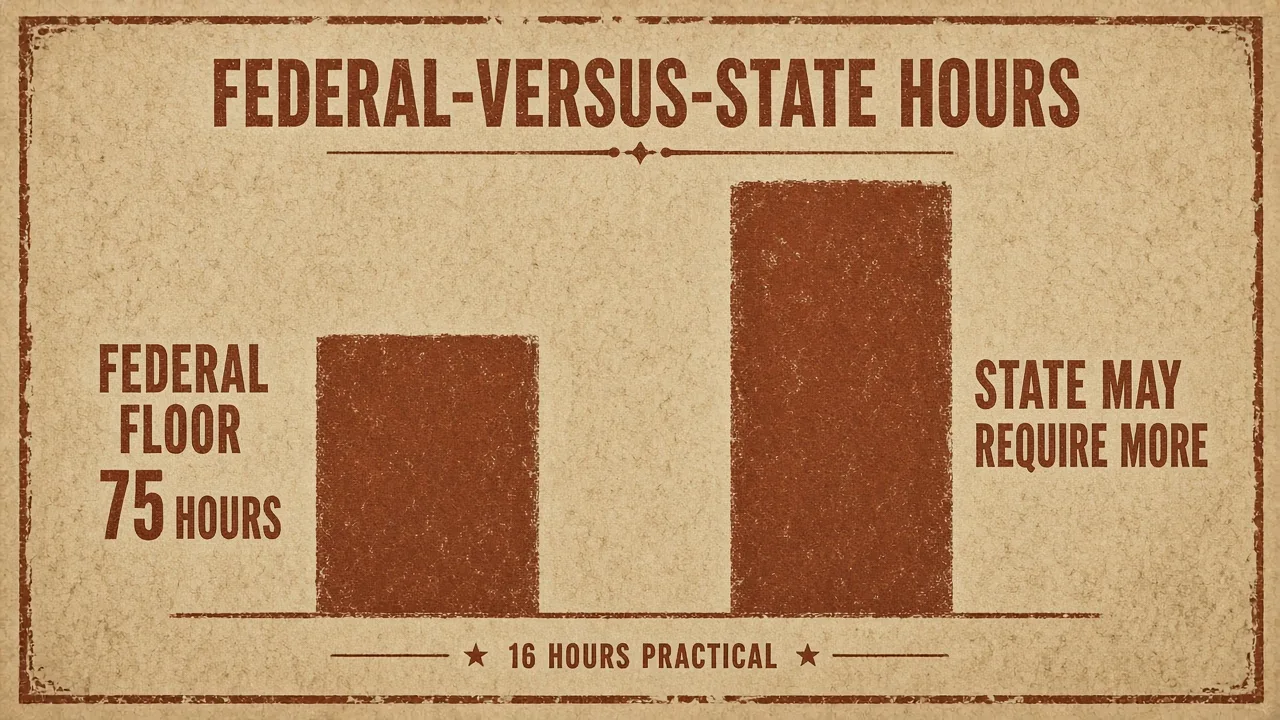
42 CFR 483.152 says a state-approved nurse aide training and competency evaluation program must include, at a minimum, 75 clock hours, the subjects listed in the rule, and at least 16 hours of supervised practical training under an RN or LPN. Before any direct contact with a resident, the trainee needs 16 hours on communication, infection control, safety and emergency procedures including the Heimlich maneuver, promoting independence, and respecting residents’ rights.
That is a floor. States may sit above it. California’s Department of Public Health is the public example we will keep, because the numbers are on a government page. CDPH tells program applicants the state requires 160 hours: at least 60 hours of classroom theory and 100 hours of supervised clinical training. Skills-lab time may be added, but it does not count toward those two piles. Read CDPH’s nurse assistant training program applicant page. Golden West College’s public CNA page is one campus translation of the same math: 60 theory hours, 100 clinical hours, then a competency exam the college does not issue. Start at Golden West College, Certified Nurse Assistant.
If a website says “federal 75 hours, finish this weekend, work Monday,” ask which state list they sit on. A floor is not a ceiling, and a weekend is not a clinical.
How to vet a program without a star chart
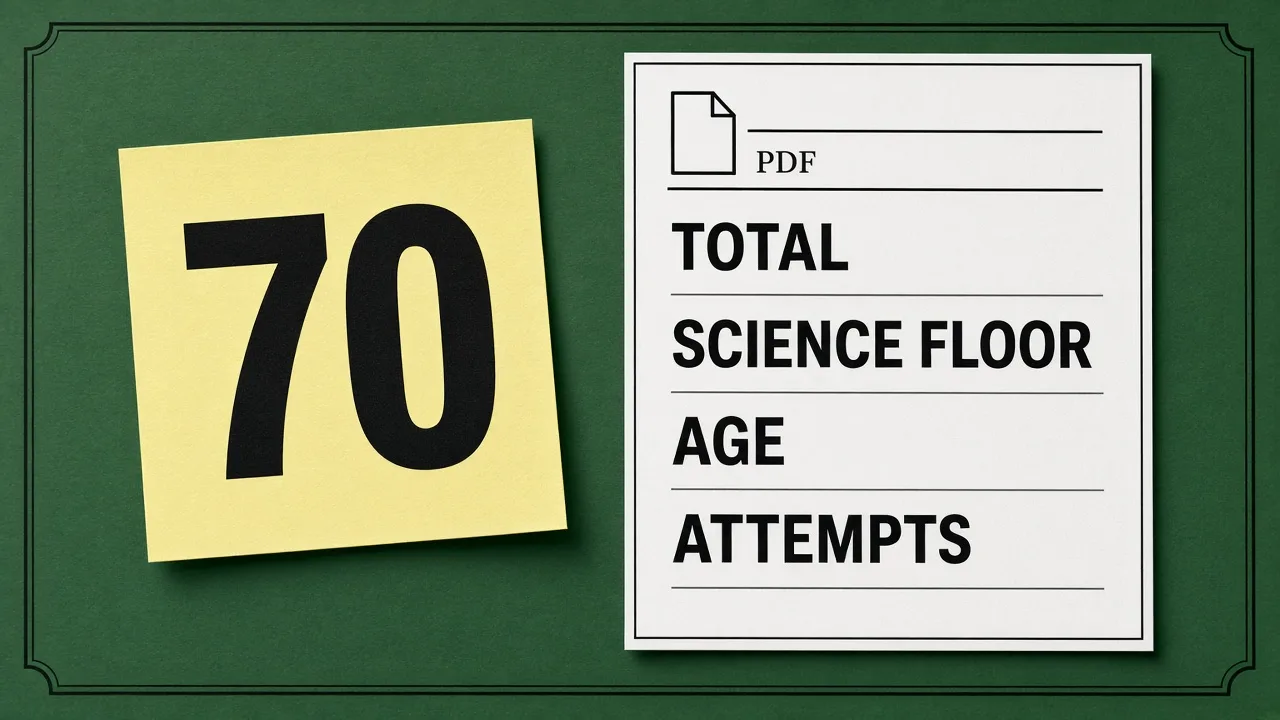
Write these on the same sticky note you would use for an ADN. Do not rearrange them because the lobby has cookies.
- Open the state page that lists approved nurse aide training programs. Find the exact name and the exact address.
- Ask which competency exam the state uses, and which vendor runs it this year.
- Ask how many classroom hours and how many clinical hours, and whether lab hours are being sold as clinical hours.
- Ask where the clinical site is, and whether you will touch residents under an instructor, not only a manikin.
- Ask what happens if you miss a day. Some approved schedules are rigid because the state approved that schedule, not a vibe.
- Ask who pays, and whether an employment offer is already in writing. That changes the fee rule below.
A program that cannot name the registry page is not a program you should pay. A program that promises a “national CNA license” is selling a sentence the federal rule does not print.
The exam that is not NCLEX
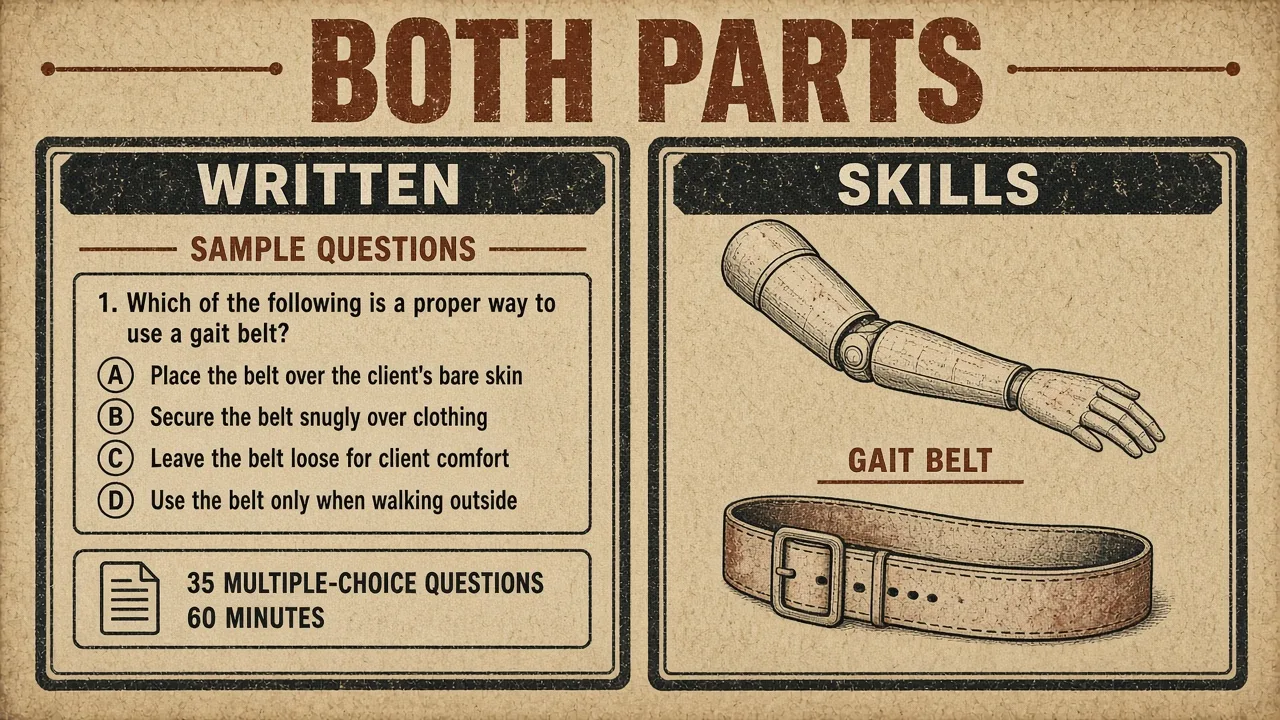
42 CFR 483.154 is the federal shape of the test. The competency evaluation must offer a written or an oral exam, cover the required course subjects, and include a skills demonstration of randomly selected tasks. To finish, you pass both parts. The oral option exists for a reason. If English on a page is the problem, ask for oral when you register. Do not discover that sentence in the parking lot.
Many states use the National Nurse Aide Assessment Program, often written NNAAP. Credentia administers NNAAP in those states. A current state handbook is the clean public source for the pattern: a 70-question written exam, or an oral exam with reading items, plus five randomly selected skills in a set time, rated by a nurse evaluator. Maryland’s public exam-overview page is one example of that pattern, not a national law. Read Credentia’s Maryland NNAAP exam overview, then open your own state’s handbook. Some states use another vendor. The two-part rule does not move.
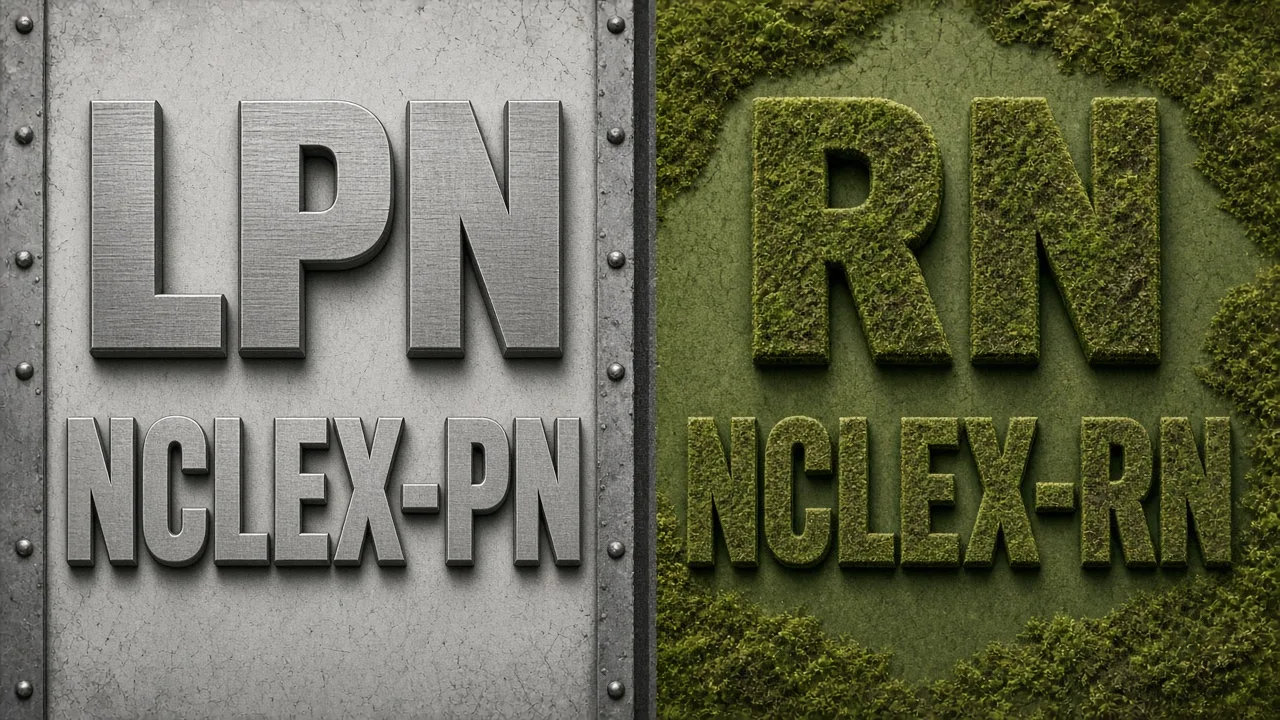
This is not TEAS. This is not HESI. This is not NCLEX. If you are taking a nurse aide exam this month, study that skills list. If you are already aiming at an RN seat, keep TEAS 7 or HESI A2 in its own lane. Nursier does not sell the aide exam, and we do not sell TEAS or HESI.
The registry, and the 24-month rule
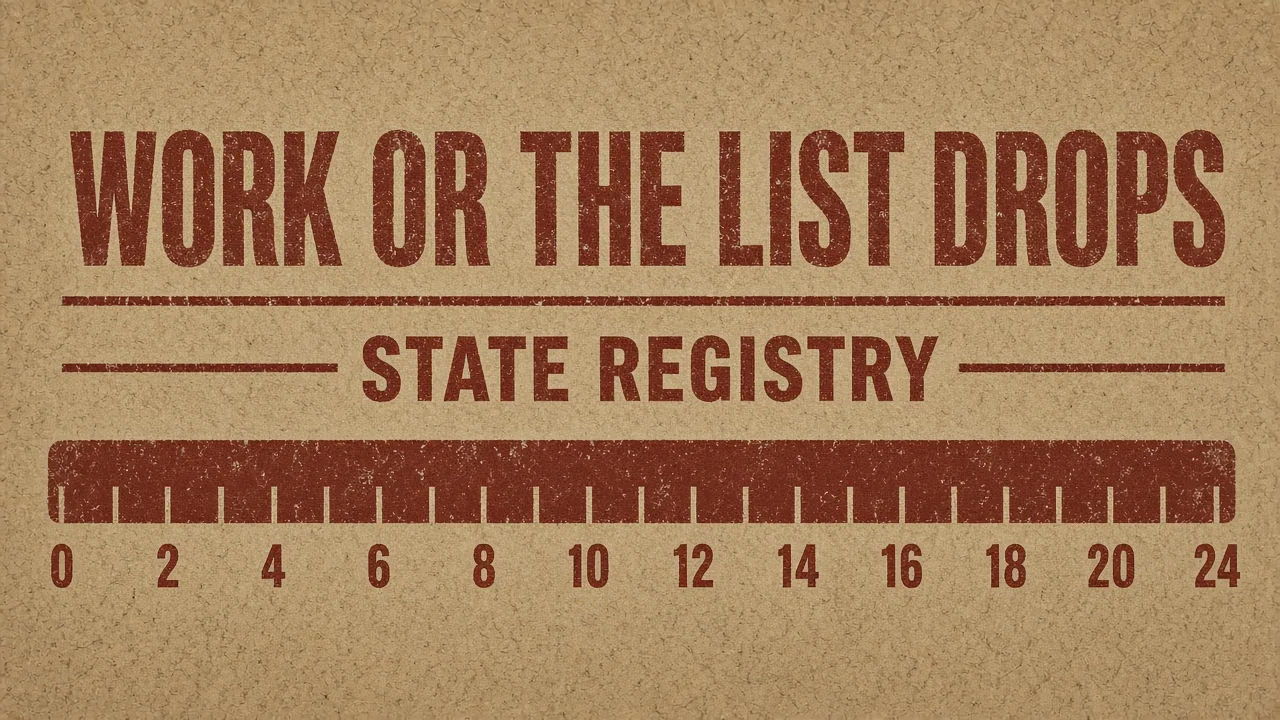
Every state must keep a nurse aide registry. 42 CFR 483.156 says the registry has to be usable by the public and by providers. It holds your name, the date you became eligible, and any state finding of abuse, neglect, or misappropriation of property. Those findings stay unless they were wrong, a court found you not guilty, or the state is told you died. The state may not charge you a fee just to be listed.
The same section tells the state to decide who no longer qualifies because they have performed no nursing or nursing-related services for 24 consecutive months. That is why a person who “got certified in 2019 and never worked” is often not on the list in 2026. Reciprocity is a state courtesy, not a national passport. If you move, ask the new registry how they take a name from the old one. Do not assume a compact. The Nurse Licensure Compact is for nurses. It is not for aides.
Nursing homes that take Medicare or Medicaid also live under a four-month clock for using someone as a nurse aide. 42 CFR 483.35 is the facility staffing rule. The useful household version: a building can train you on the job for a short window. It cannot keep you in the role forever without the approved course and the competency exam. Ask the scheduler which clock you are on.
Who pays, and who cannot charge you
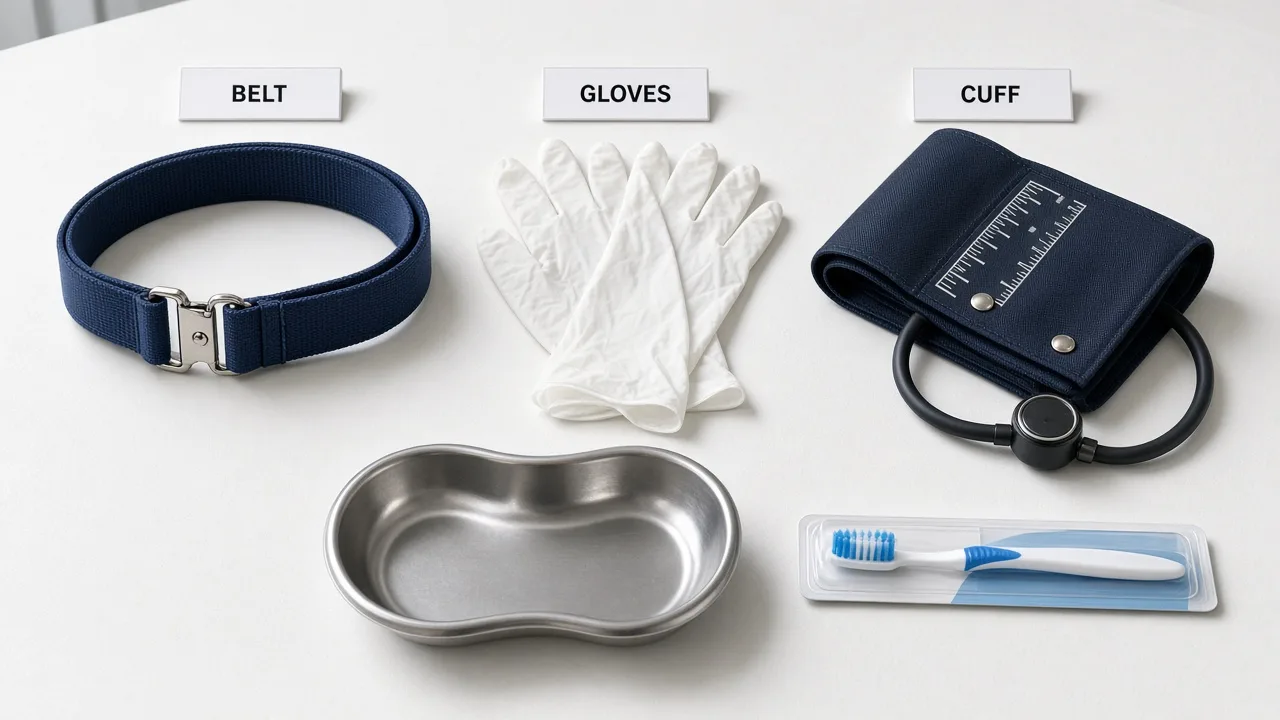
A community-college course can charge tuition. A private school can charge tuition. A nursing facility that already employs you, or has offered you a job on the day you start the approved program, lives under a different sentence. 42 CFR 483.152 says that aide may not be charged for any portion of the program, including textbooks and required materials. The competency evaluation has the same protection in § 483.154.
That is why “the building will train you” is sometimes the cheapest honest path, and why a storefront that wants $2,000 up front from a person who already has an offer at that building should make you slow down. Get the offer in writing. Get the fee rule in writing. We will not invent a national tuition number for private CNA schools. Those figures move, and they quietly turn one city’s shop into everyone’s shop.
Background checks and fingerprints are often yours even when the course is free. California’s public CNA page is blunt that CDPH reviews Live Scan results and decides whether you may sit the exam. Your state will have its own vendor. Start that packet early. A late print has delayed more first shifts than a missing belt.
CNA, STNA, NA: the title is local
BLS says it once, and it is enough: in some states a nursing assistant is called a Certified Nursing Assistant, but titles vary. Ohio says STNA. Other states say nurse aide. The job on a long-term care floor is still the job. The letters on the badge are a state choice. Do not buy a second course because a job board used a different acronym.
Home health aide is not automatically the same registry row. The federal nurse aide registry rule allows a state to include home health aides if it marks them as different. Ask. A home-care orientation is not a nursing-home competency exam unless the state says it is.
After the badge: a job, not a shortcut license
The first job is usually the floor that trained you, or a long-term care unit that will take a new aide. That job can tell you whether you can stand the work. It does not shorten an ADN by magic. Some nursing programs like the experience. Some require a nurse aide course. Many do not. A CNA year is not a secret first semester of RN school.
If you already know the next door is LPN or RN, keep the exams apart. The aide skills test is this month’s exam. TEAS or HESI is a later packet. NCLEX is later than that. When you are ready to do work that is not shopping courses, sit practice questions for the exam you actually named. The Nursier editorial team wrote this.
We do not take training deposits. We do not take registry fees. We do not take NNAAP payments. Your state and the vendor it named keep those.
Common questions
Can I become a CNA fully online?
You can move some theory online if your state allows that provider. You still need supervised clinical hours and a skills exam in a building. California even publishes a separate list of online theory providers, and clinicals still sit in a named city. If a page says “no clinicals,” stop.
Is a CNA a nurse?
No. You are on a nurse aide registry. You work under a licensed nurse. LPN and RN are licenses after approved programs and NCLEX. The work can be hard. The license is still different.
Do I have to be a CNA before nursing school?
Only if that program’s PDF says so. Many do not. The job can be a good look at the work. It is not a hidden prerequisite for every ADN.
How long does CNA school take?
Long enough to meet your state’s hours. Federal floor is 75 clock hours. California is 160. Some campuses run eight weeks. Some run a semester. Your approved schedule wins. We will not invent a national number.
I let my registry lapse. Do I start over?
Often you retest, or you retake a course. The 24-month work rule is why. Ask the registry, not a group chat.
Will this help me later on NCLEX?
It will help you know whether you can stand a floor. It will not sit NCLEX for you. When an RN or PN program is actually ending, study that exam. Keep ATI LPN or HESI LPN apart if that is the test in front of you now.
Sources
Confirm live pages. State lists move.
- 42 CFR 483.152, nurse aide training program requirements
- 42 CFR 483.154, nurse aide competency evaluation
- 42 CFR 483.156, registry of nurse aides
- 42 CFR 483.35, nursing facility nurse staffing
- BLS Occupational Outlook, nursing assistants
- California Department of Public Health, NATP applicants
- Golden West College, Certified Nurse Assistant
- Credentia, Maryland NNAAP exam overview
- NCSBN, approval of nursing education programs
Nursier is independent. We are not affiliated with, endorsed by, or sponsored by NCSBN, Credentia, Pearson VUE, CMS, BLS, the California Department of Public Health, Golden West College, or any state registry. This article is planning copy. It is not an application, and it is not a ranked list of schools.